October 27, 2026
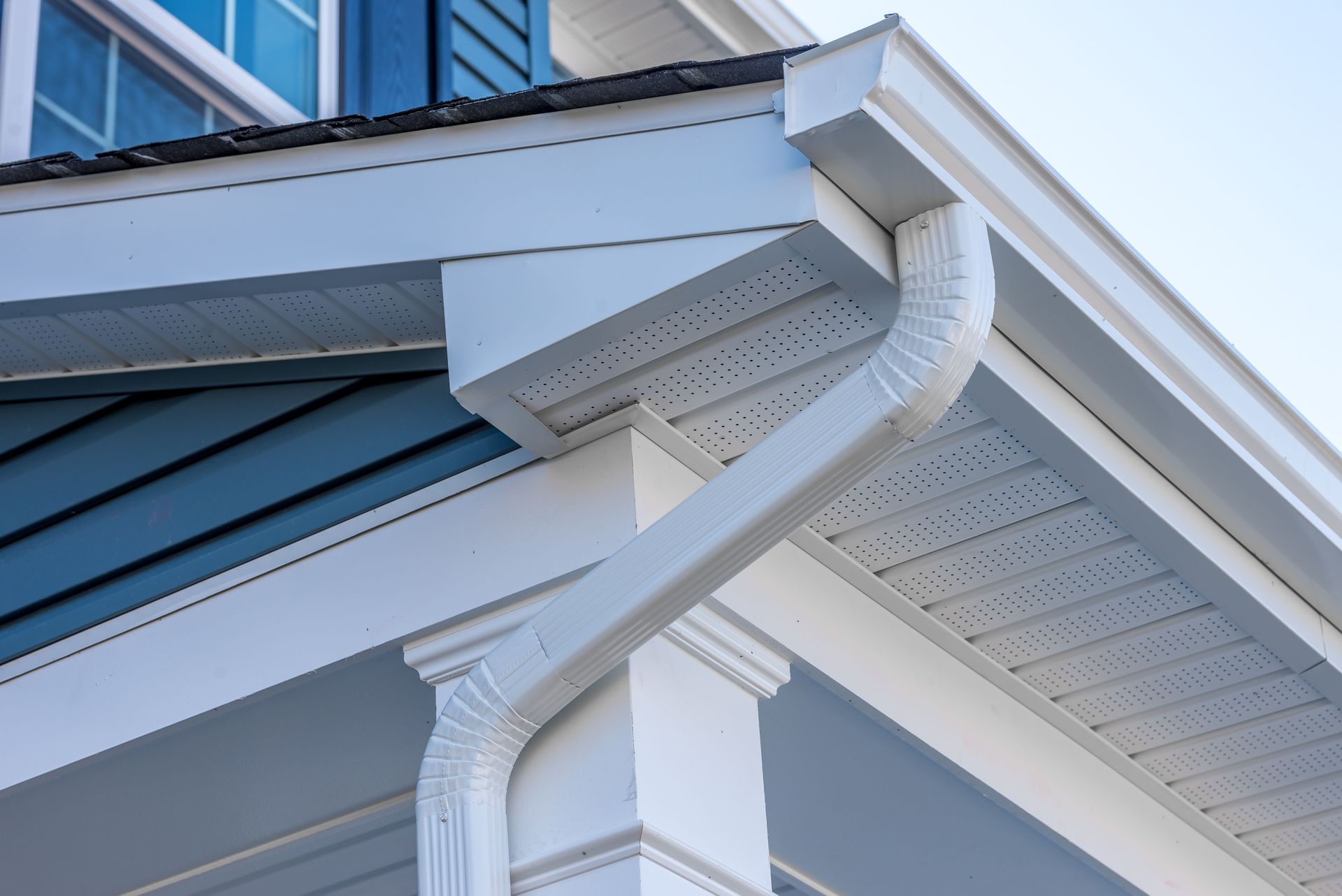
Gutters direct rainwater from the roof toward downspouts, helping prevent water from running down exterior walls, pooling near the foundation, or eroding landscaping. Proper drainage reduces the risk of moisture problems and structural damage. According to HomeGuide, most homes have gutters that are four to seven inches wide. The appropriate size depends on the roof area, design, and local rainfall. If gutters cannot handle the runoff, they may overflow during heavy rain. Without a functioning gutter system, water can damage the roof, walls, and foundation over time. This article explains how gutters help prevent water damage, the problems caused by poor drainage, and why regular maintenance and professional attention matter.
Protecting Exterior Walls From Moisture
Exterior walls are regularly exposed to rain, wind, and changing temperatures. Gutters help limit the amount of water that runs directly down these surfaces during storms. By collecting roof runoff, they reduce repeated exposure to concentrated streams of water that can affect siding, trim, paint, and other exterior materials. When rainwater repeatedly flows over walls, moisture may enter small gaps around windows, doors, and joints. Over time, this exposure can contribute to peeling paint, damaged finishes, and deterioration of certain building materials. Water may also reach areas behind exterior coverings if openings allow it to pass through.
Gutters cannot prevent every form of moisture intrusion, but they help manage one common source of water exposure. Keeping the drainage system in good condition supports the protection of exterior surfaces and reduces the amount of runoff reaching vulnerable areas. Property owners should pay attention to signs such as water streaks, peeling finishes, or recurring damp spots on exterior walls. These issues may indicate that rainwater is not being directed away effectively. Seeking professional help can identify drainage concerns and determine whether the gutter system or another part of the building needs attention.
Preventing Water From Reaching the Foundation
A building's foundation is especially vulnerable to repeated exposure to excess moisture. When rainwater falls from the roof and collects near the base of a structure, the surrounding soil can become saturated. Depending on the soil conditions and drainage patterns, this moisture may place additional pressure on foundation walls or find its way into small openings. A functioning gutter system helps reduce the amount of roof runoff that reaches the ground immediately beside the building. Downspouts can funnel collected water toward suitable discharge points, allowing it to move away from the foundation. This can help reduce standing water and limit prolonged saturation near the structure.
Poor drainage can contribute to basement moisture, damp crawl spaces, and water entering through foundation cracks. In some cases, changing soil moisture levels can also contribute to movement around the foundation. These problems may develop gradually, making it important to address recurring drainage issues before they lead to more extensive repairs. Gutters are only one part of foundation water management. The slope of the surrounding ground, the condition of exterior drainage features, and the location of downspout outlets can also influence where water collects. If water regularly pools near a building, a professional assessment can help identify the source and determine the appropriate corrective measures.
Reducing the Risk of Roof Damage
Gutters help protect the roof by carrying rainwater away from the roofline rather than allowing it to spill over the edges. When water cannot drain properly, it may collect along the edges or remain in areas where debris restricts its movement. Continued moisture exposure can affect roof components and contribute to deterioration. Clogged or damaged gutters can also allow water to move into places where it does not belong. For example, overflowing rainwater may reach the fascia boards that support the gutter system. Repeated exposure can cause wood to soften, paint to deteriorate, and other materials to break down.
The connection between roof drainage and water damage is particularly important during periods of heavy rainfall. When large amounts of water reach the gutter system in a short time, restricted flow can increase the chance of overflow. A gutter service can help identify drainage problems, assess the condition of the system, and address issues that may affect its performance. Roof damage can have several causes, so not every leak or moisture problem points to a gutter issue. However, evaluating drainage is an important step when investigating water damage around the roofline. Addressing gutter problems promptly can help reduce unnecessary exposure to moisture and protect nearby materials.
Limiting Soil Erosion and Landscape Damage
Rainwater flowing directly from a roof can strike the ground with considerable force. Over time, repeated runoff may wash away soil, expose plant roots, and create channels in landscaped areas. These changes can affect the appearance of the property and alter how water moves around the building. Gutters help reduce this impact by collecting runoff and directing it toward selected discharge points. When water leaves the downspouts in an appropriate location, it is less likely to fall directly onto the same areas along the roofline. This can help limit erosion and reduce the formation of muddy or uneven ground.
Managing runoff also matters because soil erosion can affect drainage around the foundation. As soil shifts or washes away, low spots may form where water collects. These areas can keep the surrounding ground wet for extended periods and increase the likelihood of moisture reaching nearby structures. The placement of downspout outlets is an important part of this process. Water should be directed away from the building and toward an area that can handle the runoff without causing additional drainage problems. Professional assistance can help determine whether the current setup is contributing to erosion, pooling, or other water-related concerns.
Maintaining Proper Water Flow
Even a well-designed gutter system may not perform effectively when debris or physical damage restricts water movement. Leaves, twigs, dirt, and other materials can accumulate inside gutters and block the path toward downspouts. When rainwater cannot move through the system freely, it may overflow and reach the areas gutters are intended to protect. Sagging sections, loose connections, and damaged joints can also interfere with drainage. Water may collect in low spots instead of flowing toward the downspouts. Over time, standing water and accumulated debris can place additional strain on the system and contribute to deterioration.
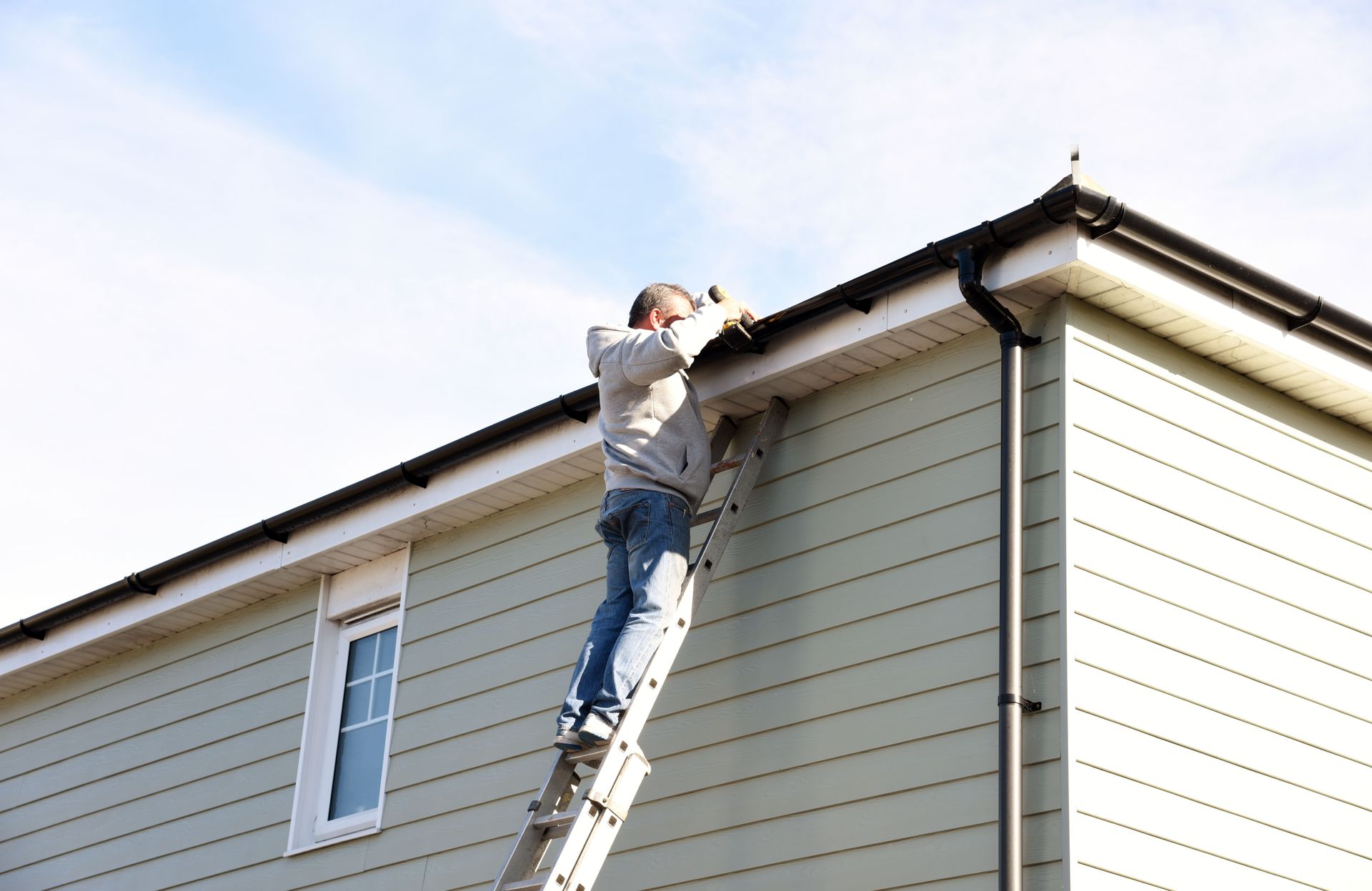
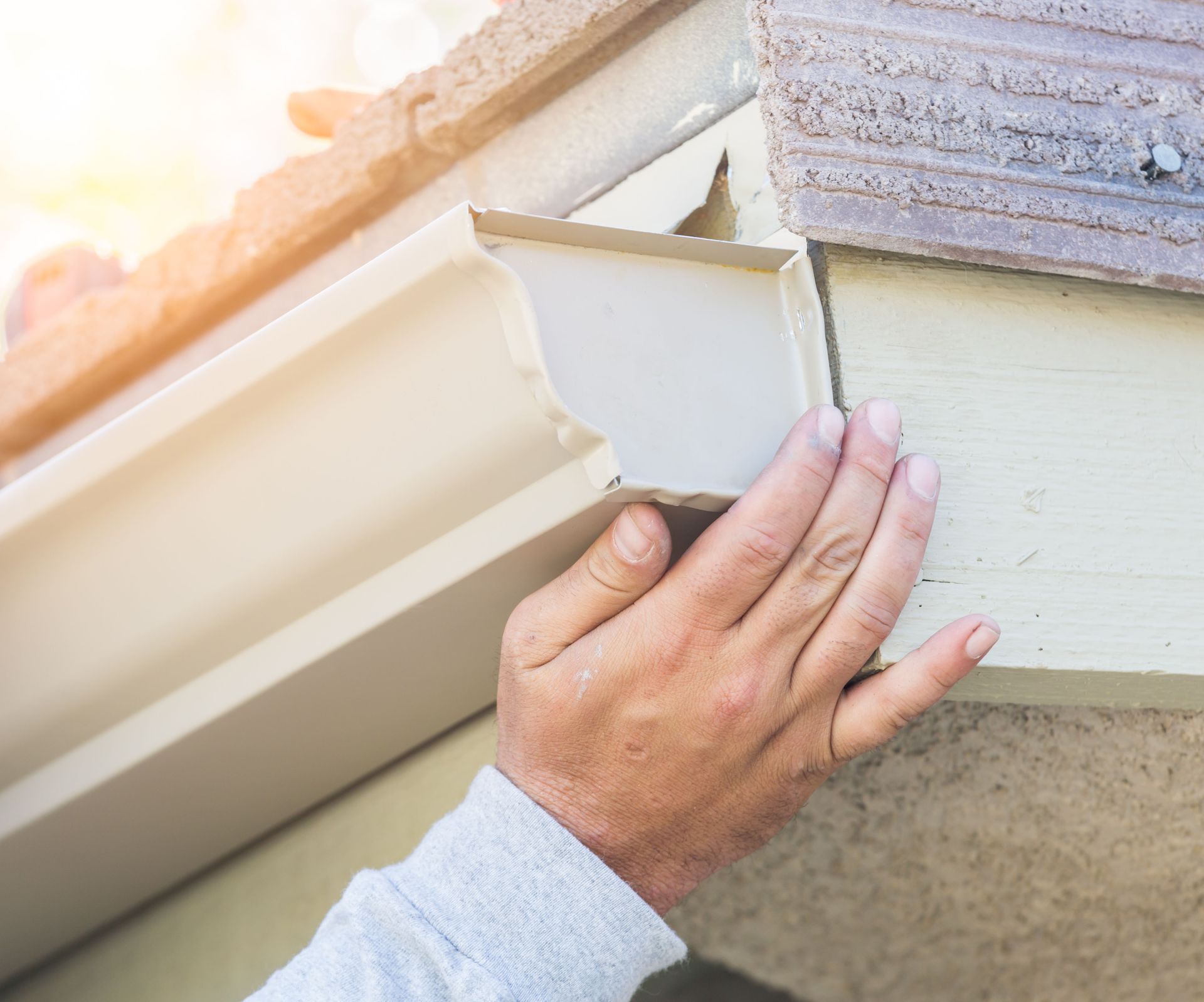
Regular inspections help identify these problems before they lead to more noticeable damage. A professional can assess the gutter system, check for signs of blockage or wear, and determine whether repairs or other maintenance are needed. Scheduling a gutter service when problems appear can help restore proper drainage and reduce the chance of repeated overflow. It is also important to pay attention to how the system performs during and after rainfall. Water spilling over the edges, pooling near the foundation, or running down exterior walls may indicate that something needs attention. These warning signs do not always reveal the exact cause, but they provide useful information for a professional evaluation.
Gutters help protect a property by directing rainwater away from vulnerable areas. Proper drainage can protect exterior materials, reduce moisture around the foundation, and limit soil erosion. System performance depends on its size, condition, and ability to handle local rainfall. Regular inspections and timely repairs can help prevent minor issues from causing more significant damage. When drainage problems appear, professional assistance can help identify the cause and determine the appropriate next steps. Keeping gutters in good condition helps manage rainwater and protect the building's exterior and foundation. If you notice overflowing gutters, standing water near your foundation, or signs of moisture damage, contact Gutters Up for professional gutter service to help protect your property.